January 13, 2026 | By Josh Nixon
Resolved: On why mentorship and voice matter more than ever for young men of color
Pick up almost any book about young men in America today and you’ll find a flood of sobering statistics: falling achievement, social withdrawal, and difficulty adapting to the demands of modern life. From being on the front lines, I can confirm that much of this tracks with what we see and feel in schools. These statistics, however, go from sobering to downright depressing when we narrow the scope and focus primarily on populations of young men of color.
If you work in education, none of this is surprising. In fact, scanning the room as my colleague Ranner Faugas began speaking, I could tell many of the men at our Resolved gathering had heard the familiar “boys are in crisis” monologue before. The challenge isn’t exposure to information—it’s understanding what that information really implies.
As an opening exercise, Ranner offered the room a bet and asked people to raise their hands if they heard a proposition they’d take.
“Imagine I put 100 names in a hat—each one the name of a valedictorian from the class of 2025. You draw one at random. If the valedictorian is a boy, I’ll pay you $200. If it’s a girl, you pay me $100. Would you take that bet?”
A few hands went up. Ranner upped the ante.
“Okay. Same deal, but now if it’s a boy, I’ll pay you $220.”
More hands. More confident this time. More losses. It turns out, for it to be fair—truly even odds—Ranner would need to offer about $233 on “boy” to balance the $100 penalty on “girl.”
Then came the real unbelievable set up.
“What if we made it even more specific? What if the bet wasn’t just ‘boy’—but a black boy? What do you think the fair payout would have to be then?”
People guessed numbers that sounded reasonable—$500, $850, $1,250. Sensible guesses. But not close.
Given how rare that outcome is in the data we do have, you’re no longer talking about hundreds. You’re talking about thousands. A fair bet would likely require a payout in the several-thousand-dollar range.
That opening mattered because what we often lack today isn’t information—it’s true understanding. And the goal of our gathering wasn’t simply to inform, but to do the collective work of making concrete the challenge we’re really up against.
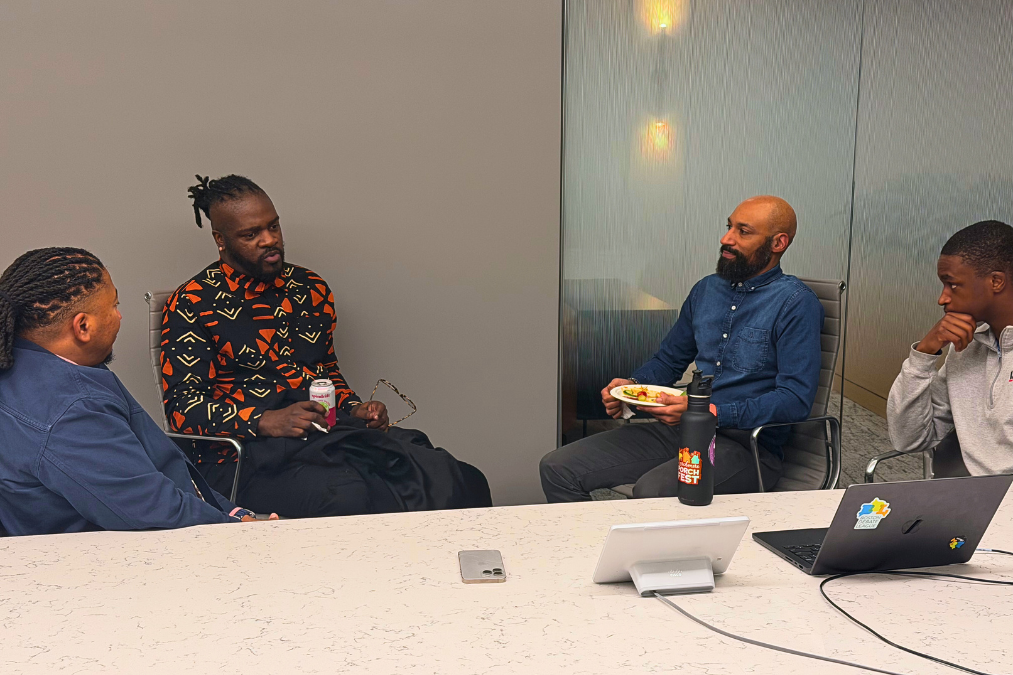
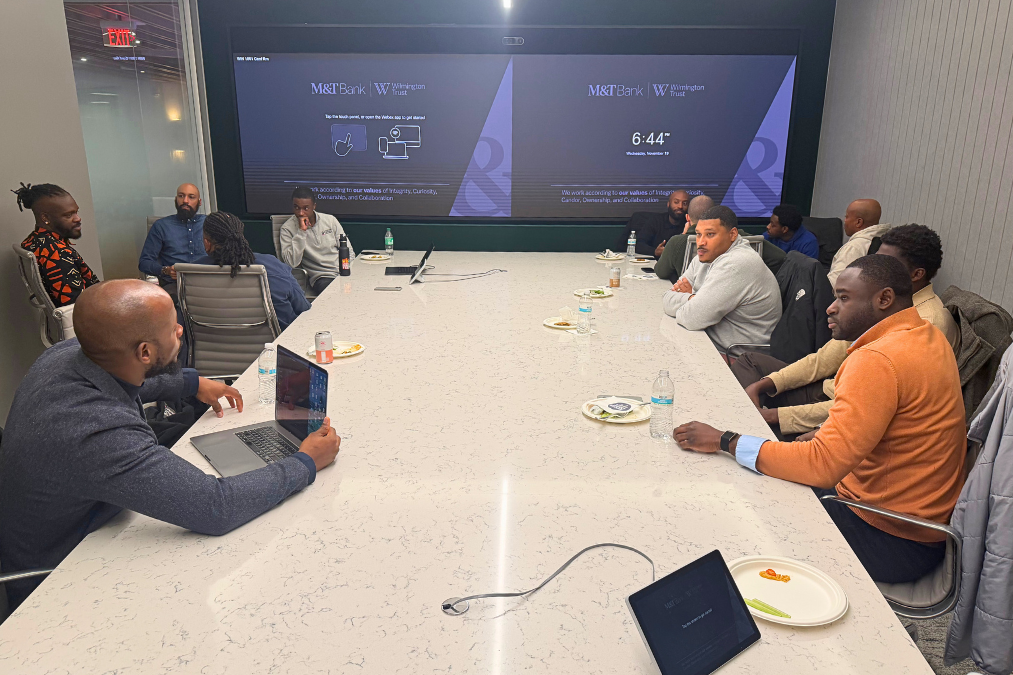
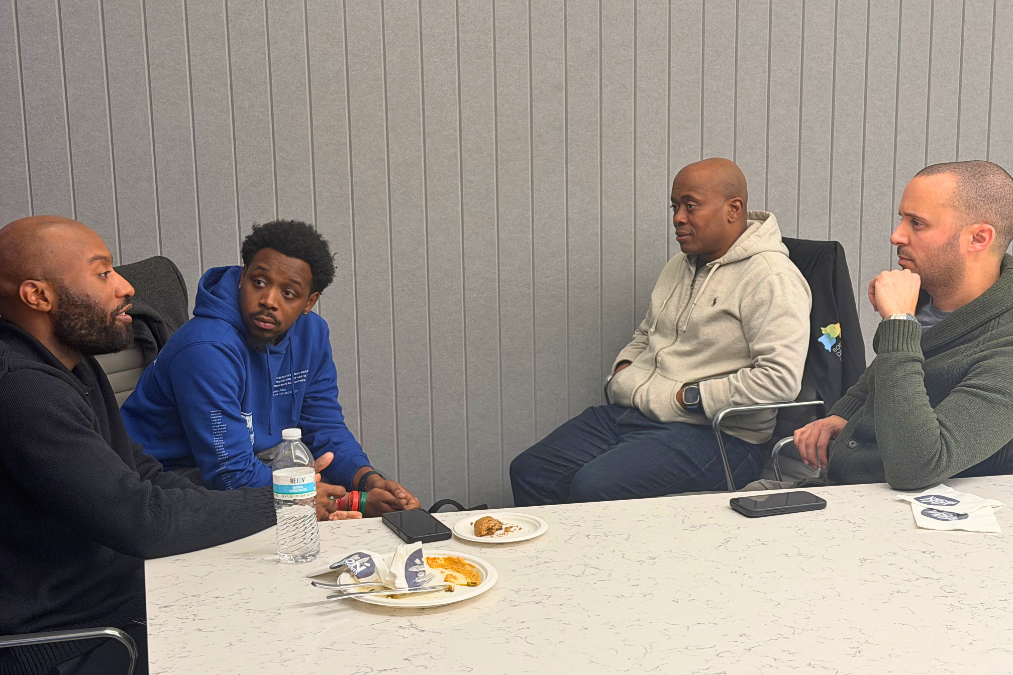
We had funders, educators, consultants, alumni, board members, and more in the room—people coming at the same challenge from different angles. And the most powerful part of the night was what came next: hearing who shaped us.
We asked a simple question: Who had a positive influence on you growing up?
One by one, every person named a man who left an indelible mark—someone who modeled steadiness, care, discipline, or belief at the exact moment it was needed. In those stories, a theme emerged: the unique role that mentors and role models, especially male role models, play in helping young men of color find their footing.
We left knowing each other a little better, and understanding more clearly the forces we’re trying to counter. And from that shared point of departure, maybe, just maybe, we can harness the power of the collective to help our young men beat odds that are far more brutal than they feel at first glance.
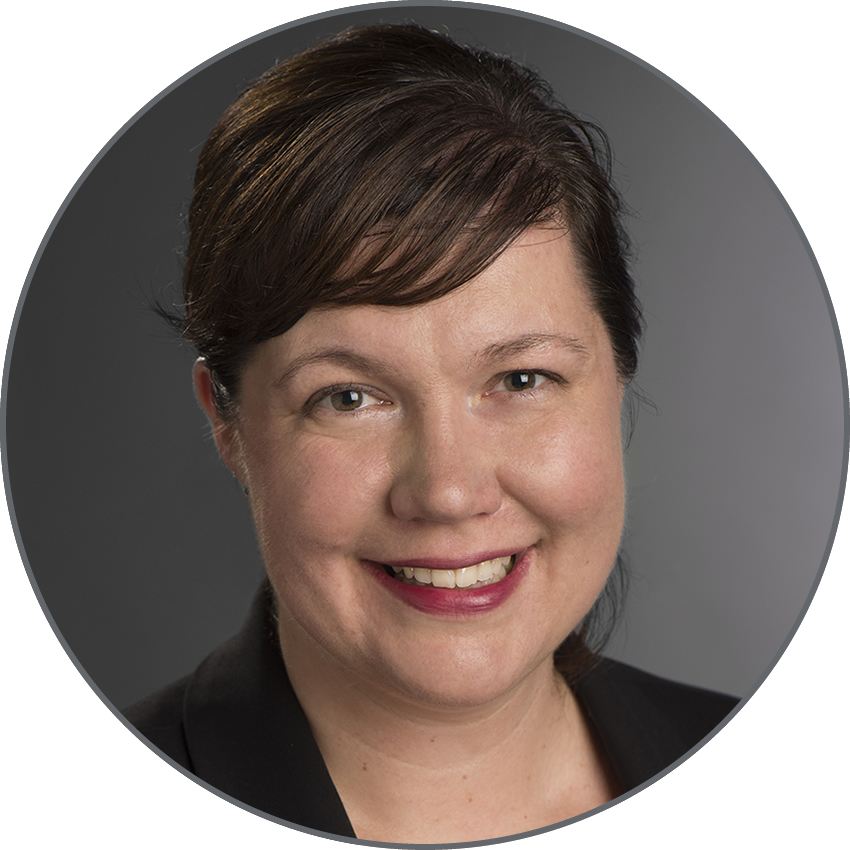
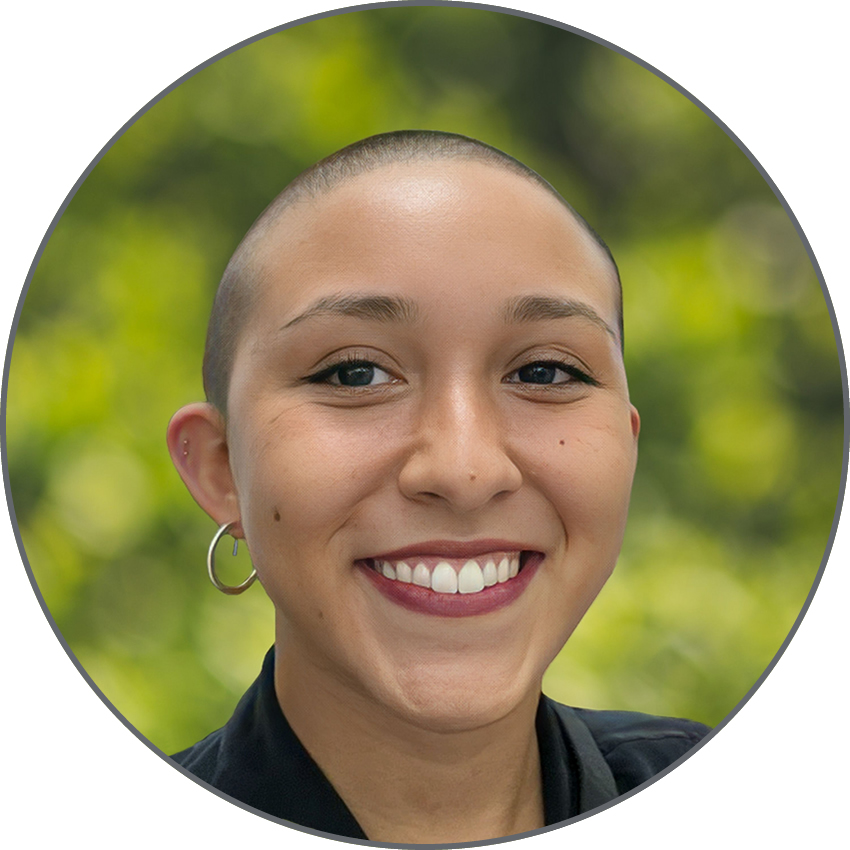
Julianna Maximo, Marketing & Communications Coordinator, joined the BDL in October 2023, but has been involved in the League since she was a sophomore at Brighton High School. Over the years, she has worn many hats for the organization – from coaching debate at English High School, to being a tournament operations volunteer and logistics intern, to helping organize the first EBA Across Boston Conference in 2016. Beyond the BDL, Julianna worked in the service industry for almost ten years, focusing on education and quality control in specialty coffee. It was through this work that she became directly involved with labor organizing and local mutual aid groups, and realized her passion for building and fostering community, whether that be chatting with the coffee shop regulars from behind the counter or hosting neighborhood-wide events. Outside of the office, Julianna spends most of her time out on walks with her dog, making ceramics, or reading.
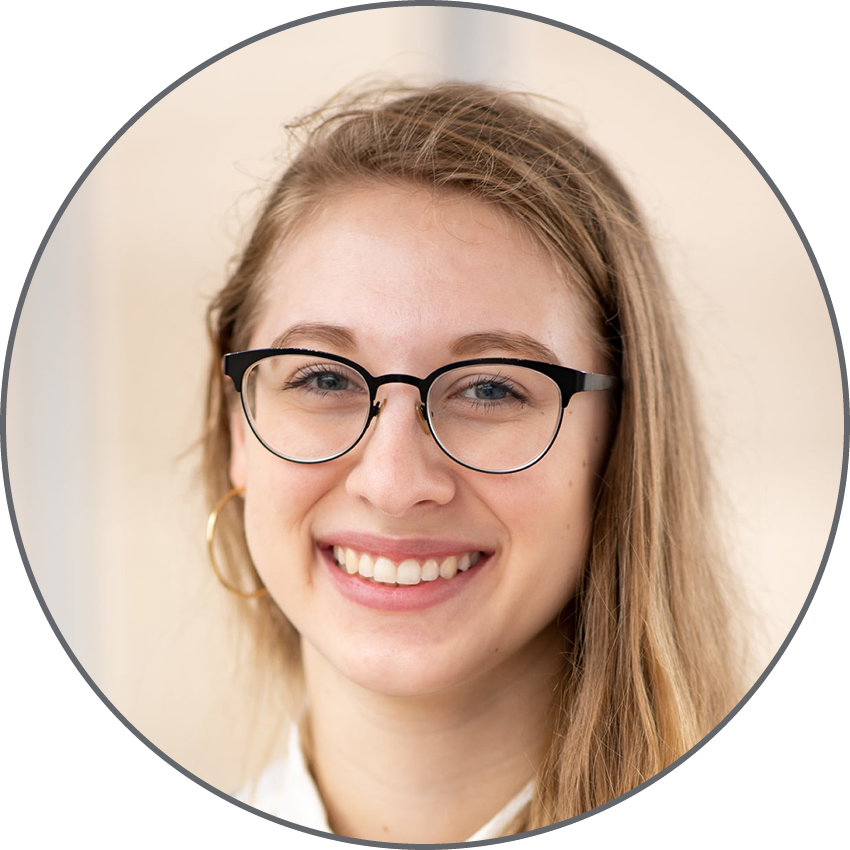
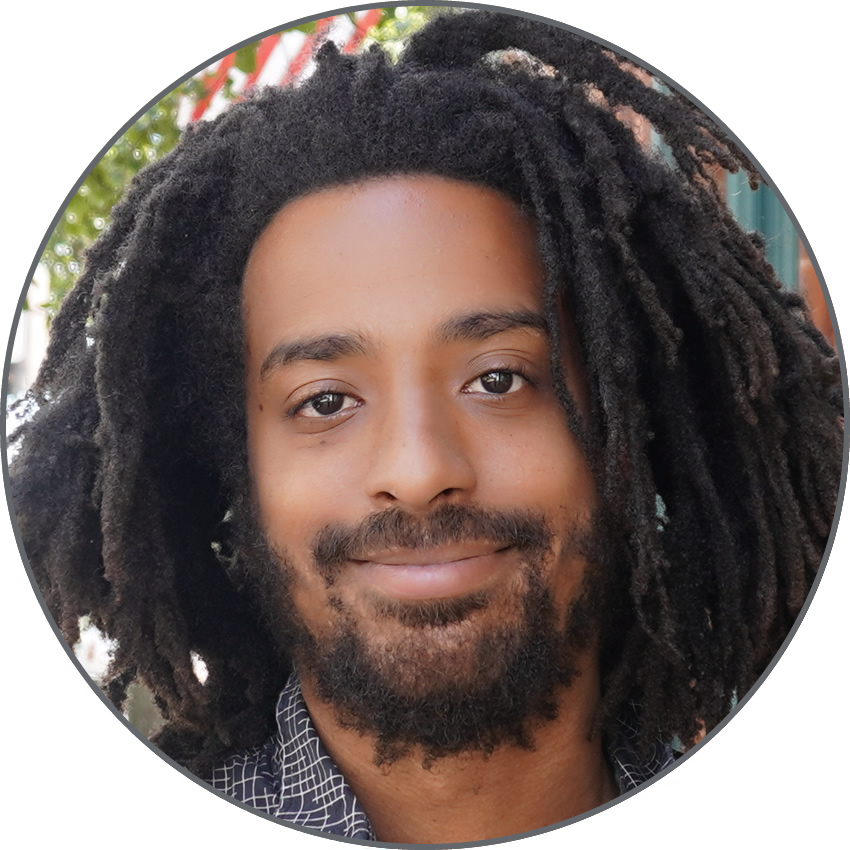

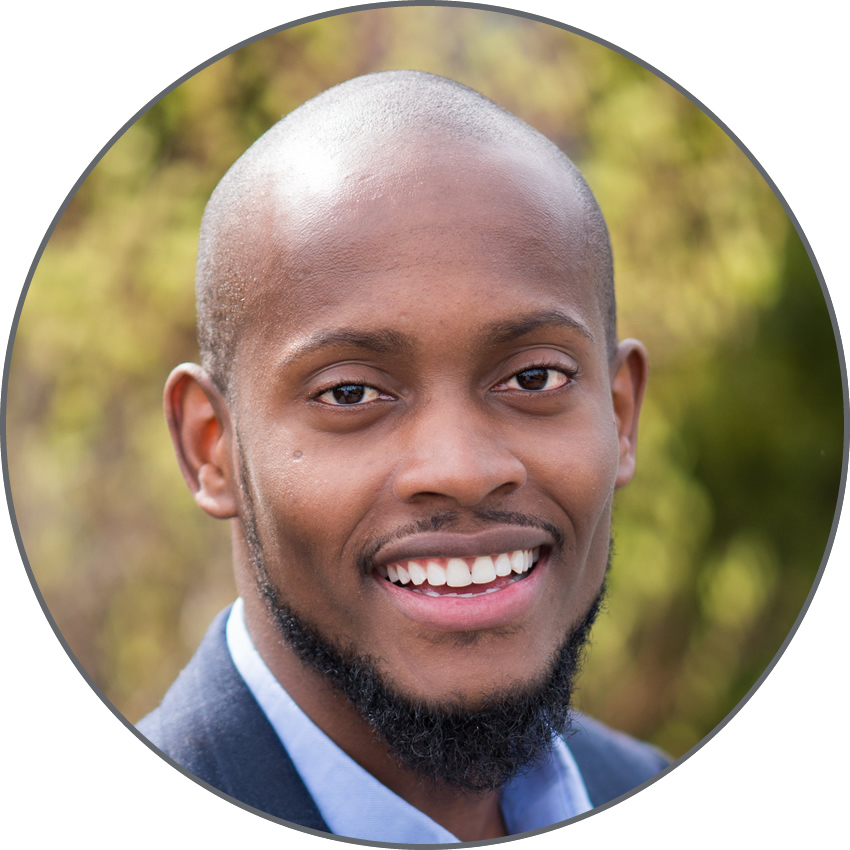

Roger Nix, Director of After-School Debate, joined the BDL in July 2015. Before joining the organization, he was involved with BDL as a founding debate coach, EBA teacher leader and grad class content leader (precursor to Debate-Inspired Classrooms) at the Edward M. Kennedy Academy for Health Careers. Outside of his debate work, Roger taught math and special education classes, and started the baseball and track teams at EMK. He has an undergraduate degree in mathematics from Northeastern University and a master’s degree in education from Boston College. He also has a certificate in Nonprofit Leadership from the Institute for Nonprofit Practice. His favorite thing about working for BDL is helping build a community of students who care deeply about the program and want to give back as interns, judges, and coaches when they graduate. Roger currently lives in Roslindale, loves spending his free time bowling and playing softball, and chasing his four-year-old daughter around the playground.
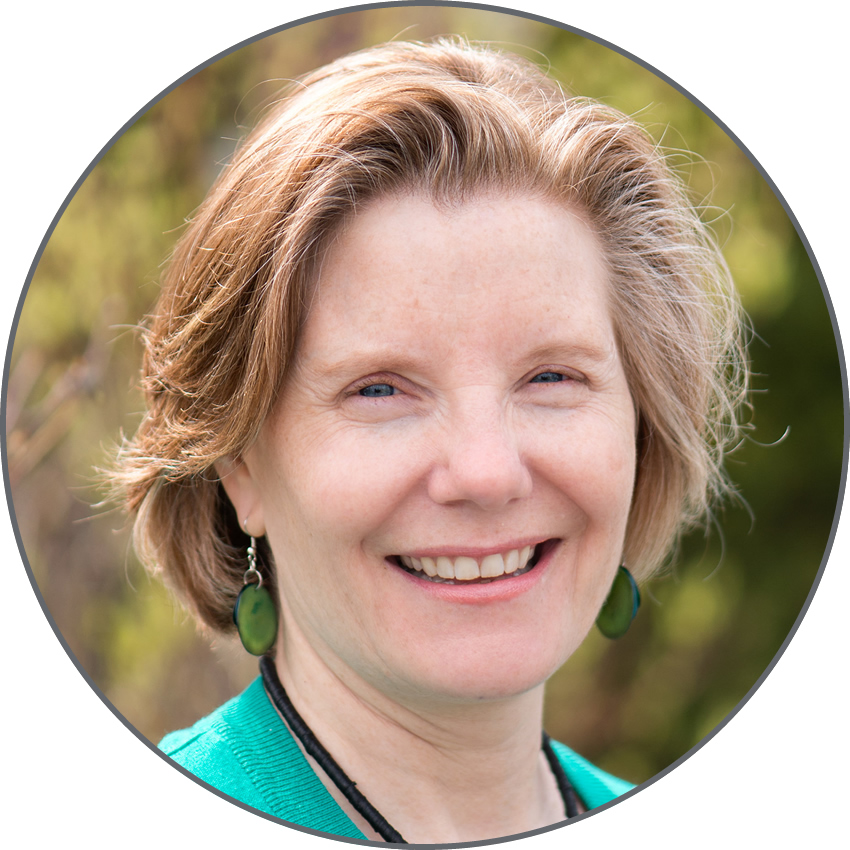
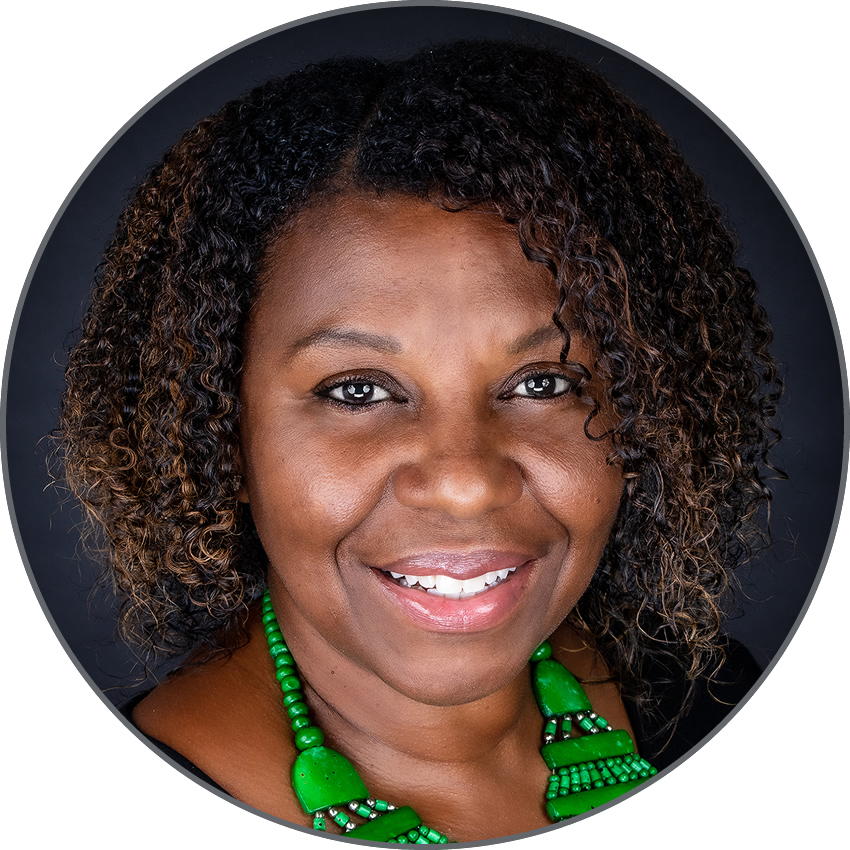
In 2021, Kim Willingham was named Executive Director – the first woman and first Black leader – of the Boston Debate League. Before being named ED, Kim served as the BDL’s Director of Culture and Engagement and prior to that as an Instructional Coach on the Debate-Inspired Classrooms team. Throughout her 20+ years in education, Kim has held multiple leadership positions. She began her career as a Teach for America Corps Member in the Crescent City – New Orleans, LA – where she taught 6th grade ELA and Social Studies. Kim earned an EdM from Harvard Graduate School of Education and a BS from Eastern Michigan University. Her experience also includes several years in school leadership and education consulting. Originally from the Motor City, she now resides in Dorchester with her two children. In her free time, she enjoys reading, traveling, and spending time in nature. Kim is grateful for the joy she gets to experience daily working with the students, teachers, volunteers, and staff of the BDL community.